
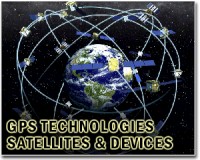
 disclaimer: image is for illustration purposes only |
Rosamund Langston, a behavioral neuroscientist at the University of Dundee, says drivers who use in-car computers to find their way around unfamiliar locations are neglecting a "caveman" ability to familiarize themselves with new terrain, The Daily Telegraph reported Thursday.
Langston, who has conducted a study into an "innate sense of direction," says using high-tech mapping solutions will have humans paying less attention to their surroundings and landmarks that aid our natural ability to find our way around.
"Having a visual reminder aides recognition and is likely to help when trying to remember a route or direction. It's probably the way we've been navigating the land since the caveman times," she says. "With GPS devices and the increase in popularity of high-tech navigational tools, we're doing less of this visual navigation which the earliest humans will have used expertly.
"If most of our time traveling through new areas is spent following a flashing arrow instead of looking out of the windows, we're not likely to know any more about the place for having been there," she says.
 del.icio.us del.icio.us |
 Digg Digg |
 Reddit Reddit |
 YahooMyWeb YahooMyWeb |
 Google Google |
 Facebook Facebook |

 US lawmakers ask Apple about tracking feature
| The content herein, unless otherwise known to be public domain, are Copyright 1995-2010 - SpaceDaily. AFP and UPI Wire Stories are copyright Agence France-Presse and United Press International. ESA Portal Reports are copyright European Space Agency. All NASA sourced material is public domain. Additional copyrights may apply in whole or part to other bona fide parties. Advertising does not imply endorsement,agreement or approval of any opinions, statements or information provided by SpaceDaily on any Web page published or hosted by SpaceDaily. Privacy Statement |


